Right Winter Management of Livestock Essential for Better Health and Productivity – Dr. Yashpal Singh
Ludhiana | 6 January 2026 | CampusKatta News
With Punjab witnessing extreme temperature fluctuations during December and January—sometimes nearing zero degrees Celsius—scientific winter management of livestock becomes crucial to ensure animal health and sustained production. This was emphasized by Dr. Yashpal Singh, Head, Department of Livestock Production Management, Guru Angad Dev Veterinary & Animal Sciences University (GADVASU), Ludhiana.
Dr. Singh highlighted that three key aspects require special attention during winters:
- Environmental modification through proper shelter management
- Improving body reserves through nutritional management
- Preventive health care practices
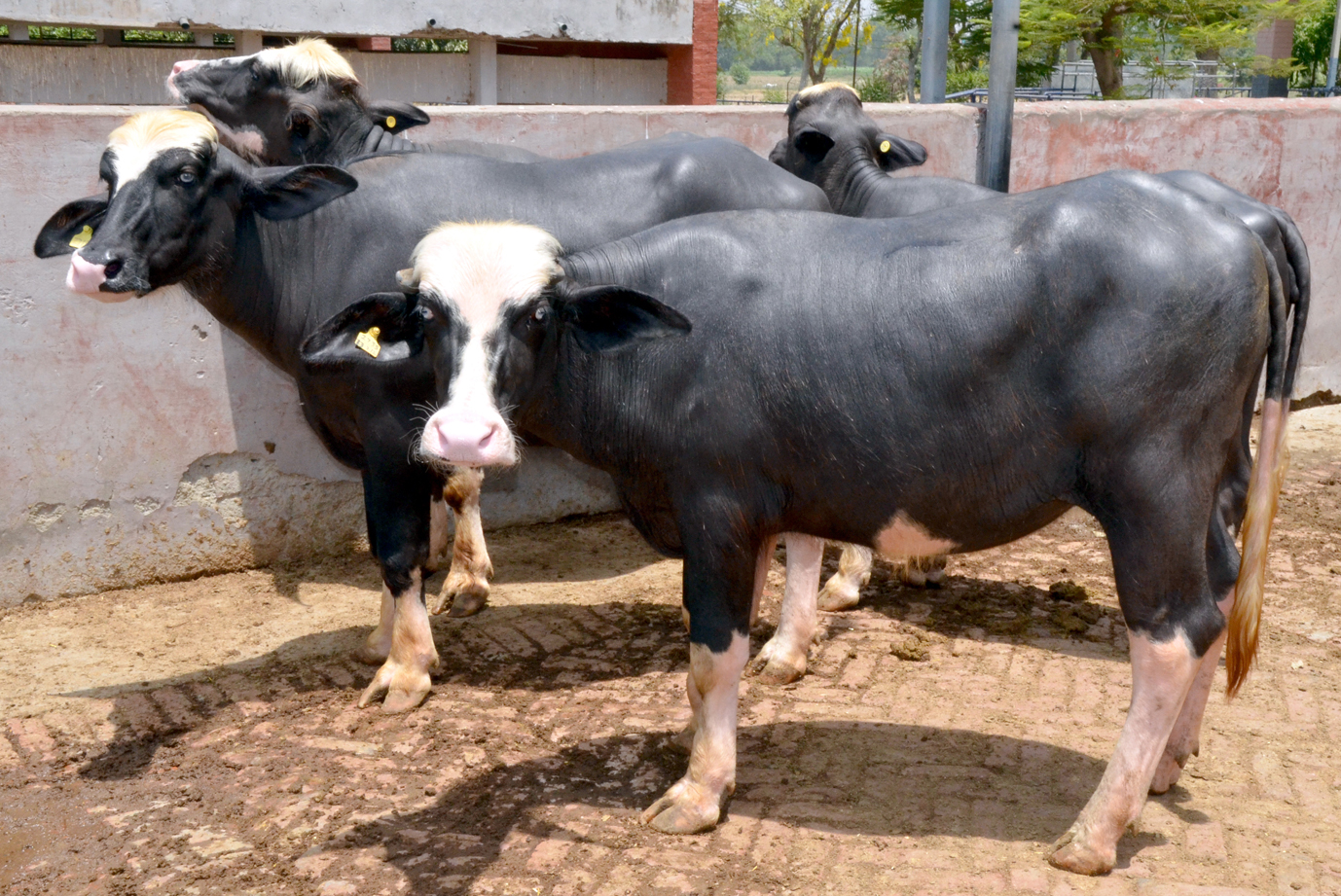
Shelter and Environment Management
To protect animals from cold stress, curtains should be installed in loose housing systems to block cold winds at animal level. These can be made from tarpaulin, bamboo mats, dry grass, paddy straw, jute or gunny bags.
Shady trees around sheds should be trimmed to allow sunlight penetration, which provides warmth and also helps disinfect animal houses through ultraviolet rays. Animals should be allowed direct sun exposure during daytime in open paddocks.
Dr. Singh warned that wet and cold floors may expose animals—especially calves—to diseases such as pneumonia, fever, diarrhoea and coccidiosis, which may even prove fatal in severe cases.
Bedding, Clothing and Ventilation
Proper bedding is essential to prevent heat loss:
- 4–6 inches depth for large animals
- 2 inches depth for smaller animals
Materials like paddy straw, dry grass, wheat bhusa, sawdust and rice husk are suitable. For additional insulation, jhuls (clothing) made from gunny bags may be used for large animals.
While preventing cold stress, adequate ventilation must be maintained to avoid ammonia gas buildup. Animal sheds should be cleaned at least twice daily for hygiene.
Animal Hygiene and Health Care
Animals should be cleaned regularly using a dry cloth or brush. Hair clipping should be avoided during winters, and bathing animals with cold water should be strictly restricted.
Nutritional Management for Winter
A balanced and nutritious diet is vital during winters. Dr. Singh explained that berseem, a protein-rich and water-rich green fodder, is highly suitable for lactating and growing animals, allowing a reduction in costly protein supplements.
Recommended oil cakes (in order of preference):
- Mustard cake
- Cottonseed cake
- Groundnut cake
- Soybean flakes
In case of green fodder scarcity:
- 25–30 kg leguminous fodder + 5–10 kg wheat bhusa
- 3 kg concentrate mixture to maintain body temperature
When fodder is adequate:
- 40–50 kg green fodder can sustain milk production up to 10 litres per day in cattle and buffalo.
To prevent bloat and nitrate toxicity, leguminous fodder should always be mixed with non-leguminous fodder or wheat bhusa.
Minerals, Salt and Water Intake
Dr. Singh strongly advised adding:
- 2% mineral mixture
- 1% common salt
(from reputed manufacturers)
Livestock should be provided with clean, fresh, lukewarm water during winters to encourage adequate intake.
Dr. Singh concluded that scientific winter management practices play a vital role in maintaining animal health, preventing diseases and ensuring optimal milk production. Farmers adopting these measures can protect their livestock from cold stress and achieve better economic returns.