Nagaland University Study Reviews Immune Role in Breast Cancer
Breast cancer remains the most frequently diagnosed cancer among women globally, accounting for nearly 15% of cancer-related deaths in females, highlighting the urgent need for improved therapeutic strategies.
LUMAMI, NAGALAND :
A research team led by Nagaland University, in collaboration with leading national research institutions, has published a comprehensive review study examining the role of the tumour microenvironment in breast cancer initiation and metastasis, with a particular focus on macrophage differentiation and immune-driven mechanisms.
The review highlights how interactions between cancer cells and immune components within the tumour microenvironment critically influence disease progression, therapy resistance, and metastatic spread.
Understanding the Tumour Microenvironment
The tumour microenvironment is a dynamic and complex cellular ecosystem comprising cancer cells, immune cells, stromal components, and signalling molecules. The study places special emphasis on tumour-associated macrophages (TAMs)—immune cells that can either inhibit or promote tumour growth depending on microenvironmental signals.
While macrophages typically play a role in immune surveillance and pathogen clearance, the review explains how their polarisation toward the M2 phenotype supports tumour survival, angiogenesis, tissue remodelling, invasion, and distant metastasis in breast cancer.
Research Leadership and Publication
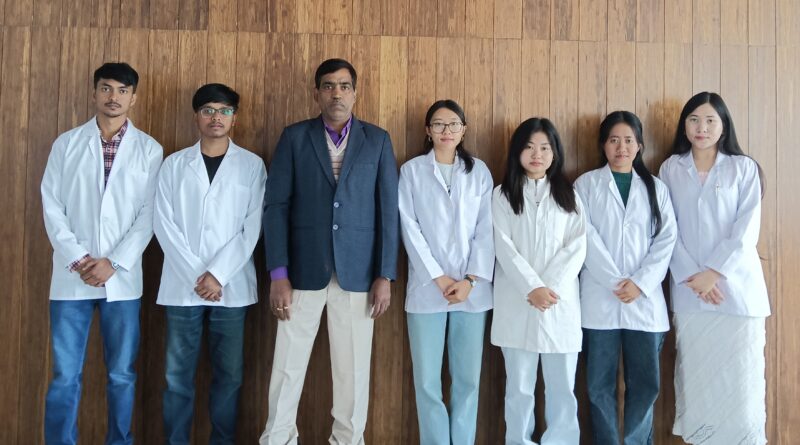
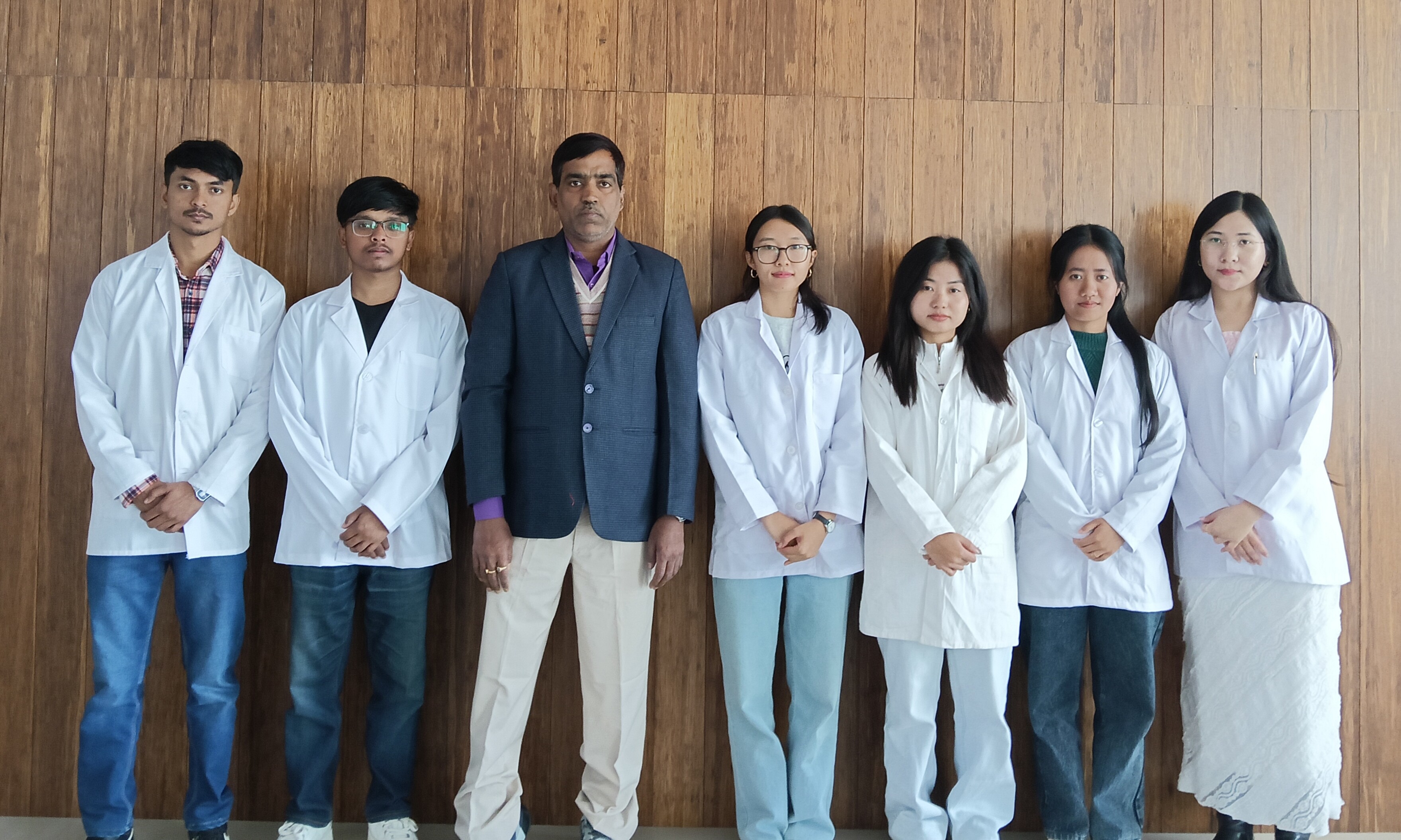
The study was led by Prof. Ranjit Kumar and Dr. Pranay Punj Pankaj from the Department of Zoology, Nagaland University, along with Ms. Alisha Sinha from the Department of Biotechnology, Banasthali University.
The review paper has been published in the Breast Global Journal (DOI: 10.4103/bgj.bgj_22_24), an international, peer-reviewed journal that disseminates cutting-edge research and clinical insights to advance breast health and oncology worldwide.
Institutional Recognition
Commending the research team, Prof. Jagadish Kumar Patnaik, Vice-Chancellor, Nagaland University, said:
“I am delighted to note that researchers from Nagaland University, in collaboration with Banasthali University, have co-authored an international review on immune-driven pathways in breast cancer metastasis. This achievement reflects the growing research strength of our university and our commitment to impactful, interdisciplinary scholarship.”
Key Mechanistic Insights
By systematically analysing global scientific literature, the study explains how invasive breast cancer cells manipulate macrophage behaviour through cytokine and chemokine signalling pathways, including colony-stimulating factor–mediated activation.
Elaborating on the technical aspects, Ms. Alisha Sinha said:
“This signalling cascade promotes M2 macrophage differentiation, leading to reduced tumour cell clearance and enhanced tumour-supportive functions. The review identifies these immune-modulatory pathways as critical intervention points for future therapeutic development.”
Therapeutic and Clinical Implications
Highlighting the translational relevance, Prof. Ranjit Kumar stated:
“Downregulation or reprogramming of M2 macrophage differentiation could emerge as a viable strategy for reducing breast cancer progression and metastasis. Such approaches may support the development of targeted immunotherapies that complement existing treatments, offering more precise and less toxic options for patients.”
Adding to this, Dr. Pranay Punj Pankaj noted:
“Our study outlines future research directions, including identifying molecular markers of macrophage polarisation, developing agents that block tumour-promoting immune signals, and designing diagnostic tools to profile the tumour microenvironment for personalised treatment planning.”
Broader Research Outlook
Beyond this study, the collaborative team is actively engaged in wider cancer research initiatives, including cancer risk factor identification, cervical cancer biomarker development, and investigations into dietary carcinogens, environmental toxicants, hormonal imbalance, circadian rhythm disruption, gut microbiota modulation, and gene expression changes.
The research employs integrated in vitro, in vivo, and epidemiological approaches, reinforcing translational relevance and supporting the development of affordable and accessible cancer therapeutics.