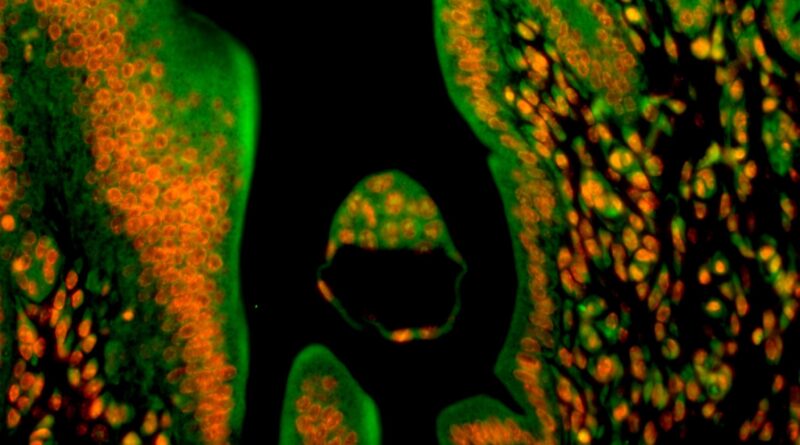
Indian scientists discover key genetic switch that enables pregnancy
A team from ICMR–NIRRCH (Mumbai), IISc Bengaluru, and BHU Varanasi has identified a fundamental genetic mechanism that allows the uterus to become receptive for embryo implantation — a crucial step for pregnancy.
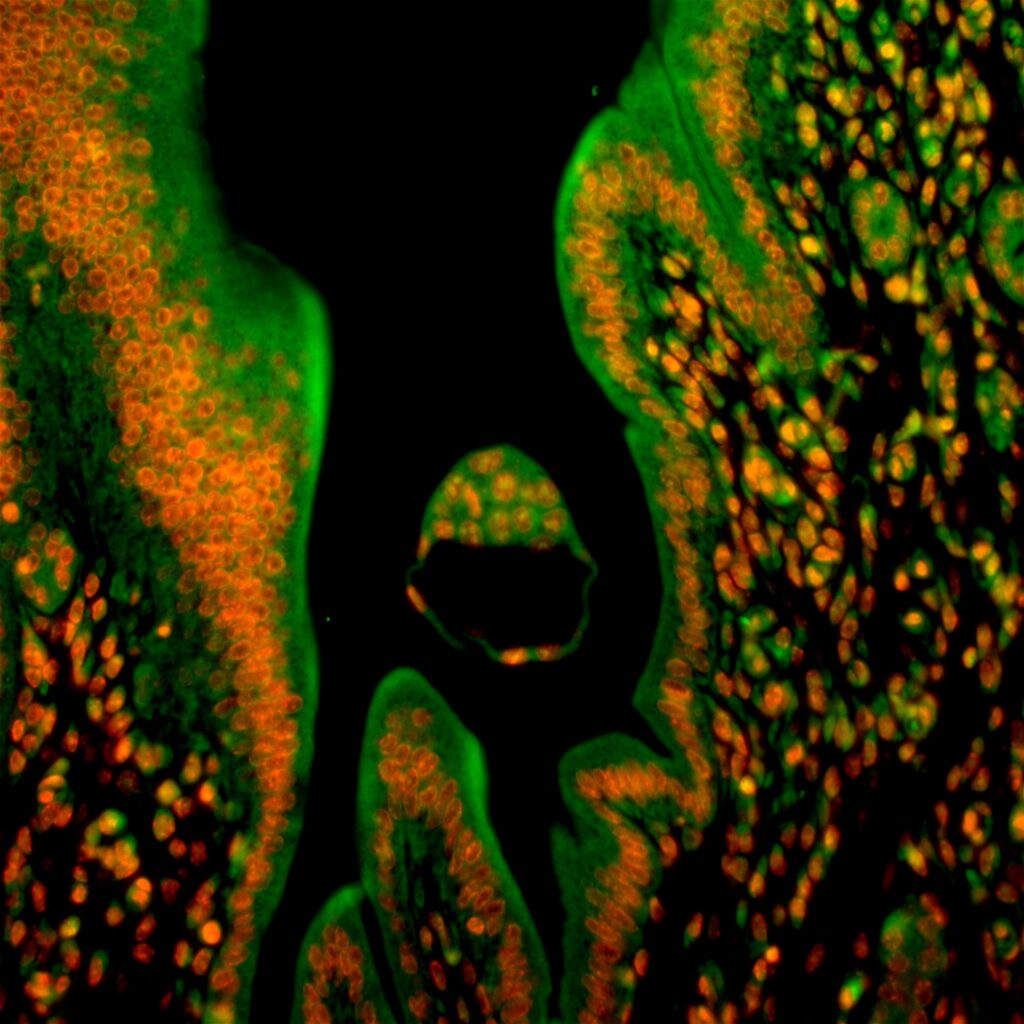
Published in Cell Death Discovery, the study shows that two genes work like a switch:
- HOXA10 keeps the uterine lining stable.
- TWIST2 activates when HOXA10 levels drop, making cells flexible enough for the embryo to implant.
Using computational modeling, IISc scientists showed this functions as a bi-stable genetic circuit, enabling the uterus to toggle between stable and receptive states. Experiments across mice, hamsters, monkeys, and human cells confirmed that blocking TWIST2 prevents implantation, stopping pregnancy even with healthy embryos.
The discovery could significantly improve understanding of infertility and IVF failures and has implications for wound healing, fibrosis, and cancer biology.